Where imperial collecting became a public treasure
The Kunsthistorisches Museum tells a long story: from princely cabinets of wonder to a modern museum that still carries the grandeur of Habsburg Vienna.
Table of Contents
From imperial collecting to a public museum
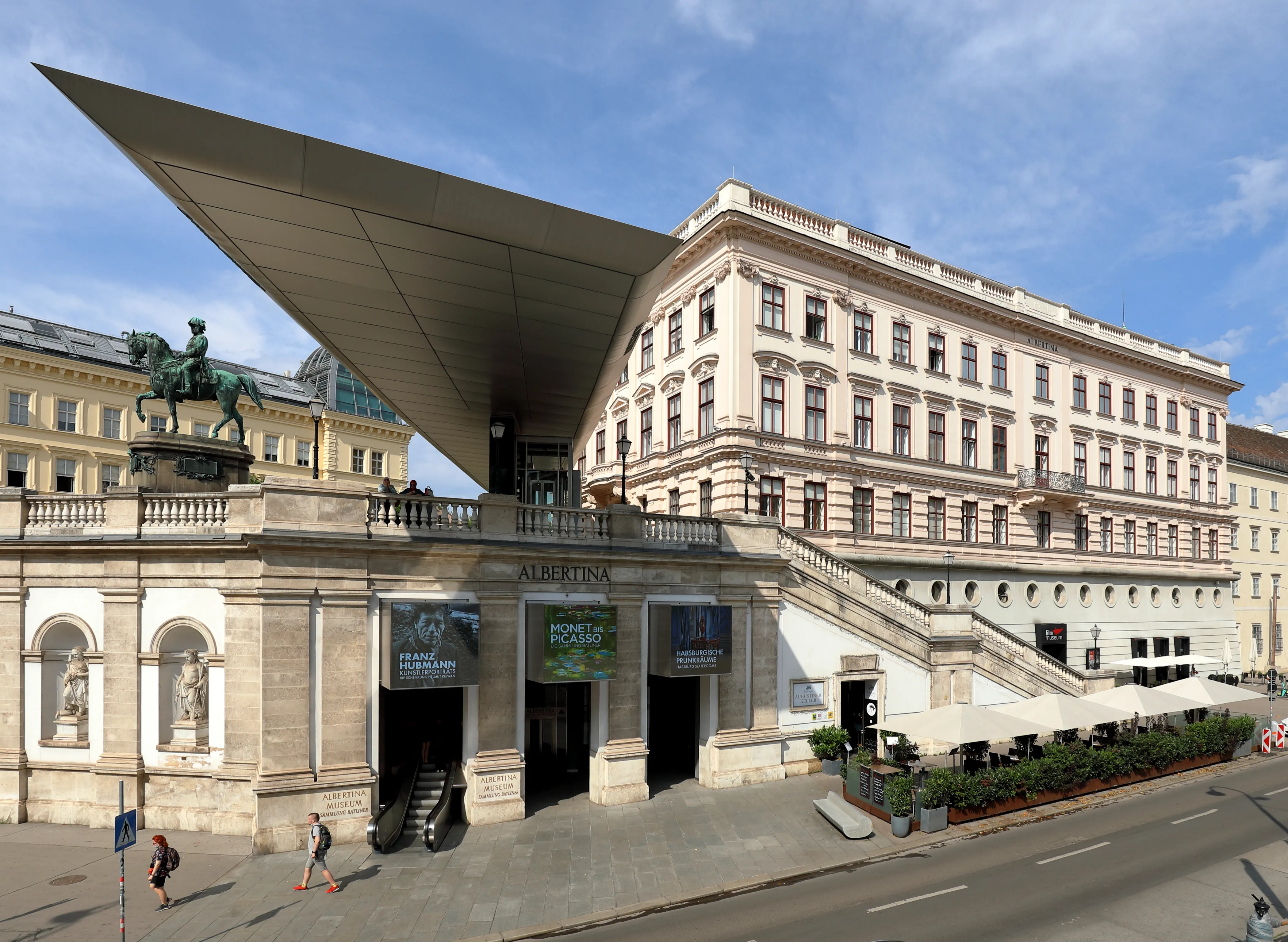
Long before the Kunsthistorisches Museum opened its doors to the public, the objects that now define it were part of a dynastic ecosystem of collecting. Habsburg rulers and archdukes gathered paintings, antiquities, medals, gems, ceremonial artifacts, and scientific curiosities not merely as decoration, but as instruments of legitimacy and prestige. In early modern Europe, collections were statements: they projected taste, lineage, education, and international influence. A rare painting from Venice, a bronze from antiquity, or a carved object from distant workshops was never only an object—it was political language rendered in material form.
As centuries passed, these collections moved through residences, treasury spaces, and courtly repositories, expanding through inheritance, marriage alliances, diplomatic exchange, and strategic acquisition. By the nineteenth century, the logic of display began to change. The modern museum idea—publicly accessible, educational, and architecturally monumental—offered a new frame for imperial holdings. The Kunsthistorisches Museum emerged from that transition: a place where what was once guarded as dynastic capital could be encountered by scholars, travelers, and citizens. The shift did not erase its courtly origins; instead, it preserved them while reframing them for a broader public narrative.
The Ringstraße era and monumental architecture
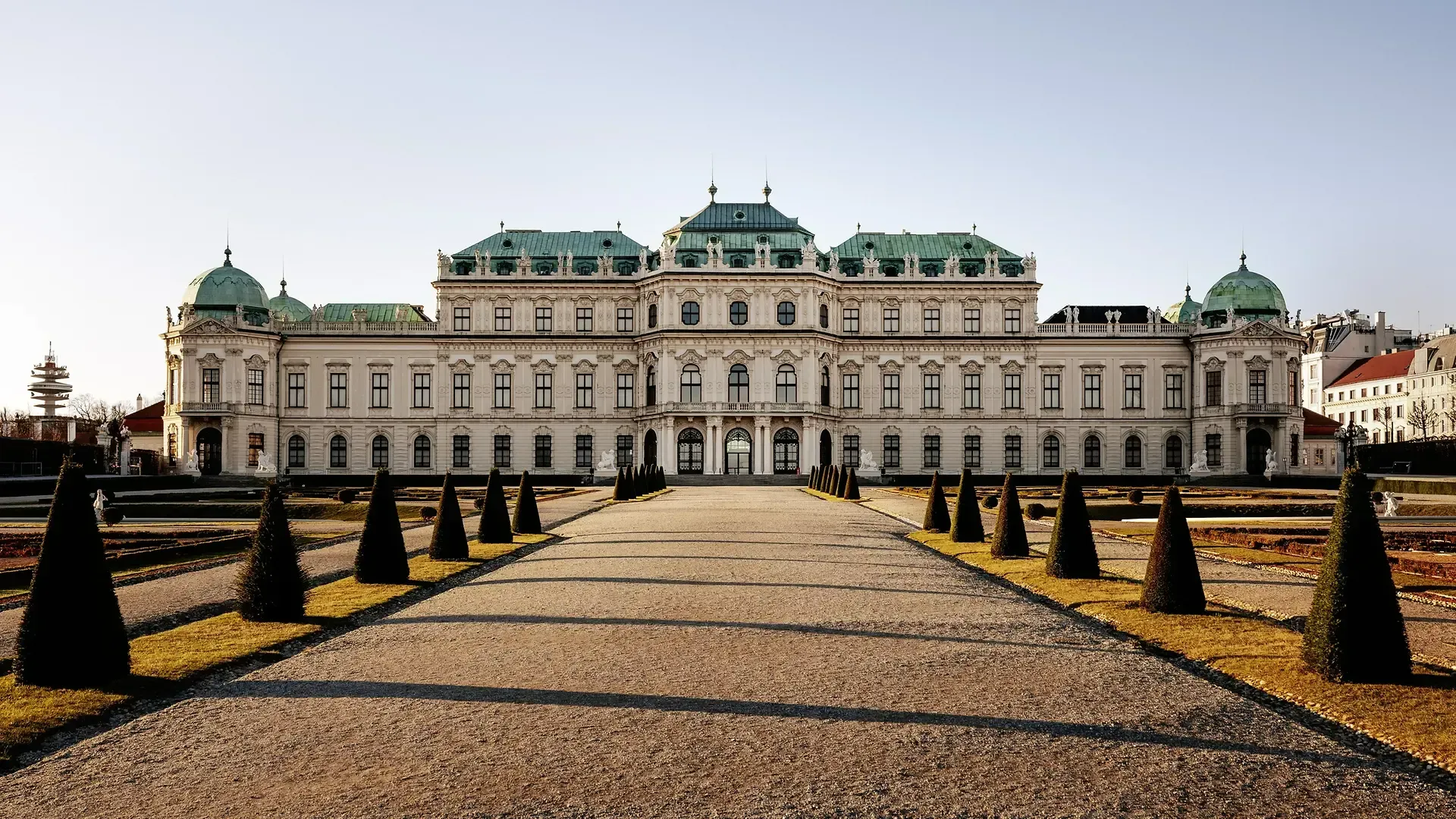
To understand the museum, it helps to see it as part of Vienna’s nineteenth-century urban reinvention. The creation of the Ringstraße transformed former fortification zones into a ceremonial belt of cultural and civic institutions. In this context, the Kunsthistorisches Museum and its architectural counterpart, the Natural History Museum, were positioned as monumental twins facing each other across Maria-Theresien-Platz. Their dialogue in stone and proportion was intentional: together they announced Vienna’s ambition to stand among Europe’s foremost capitals of knowledge.
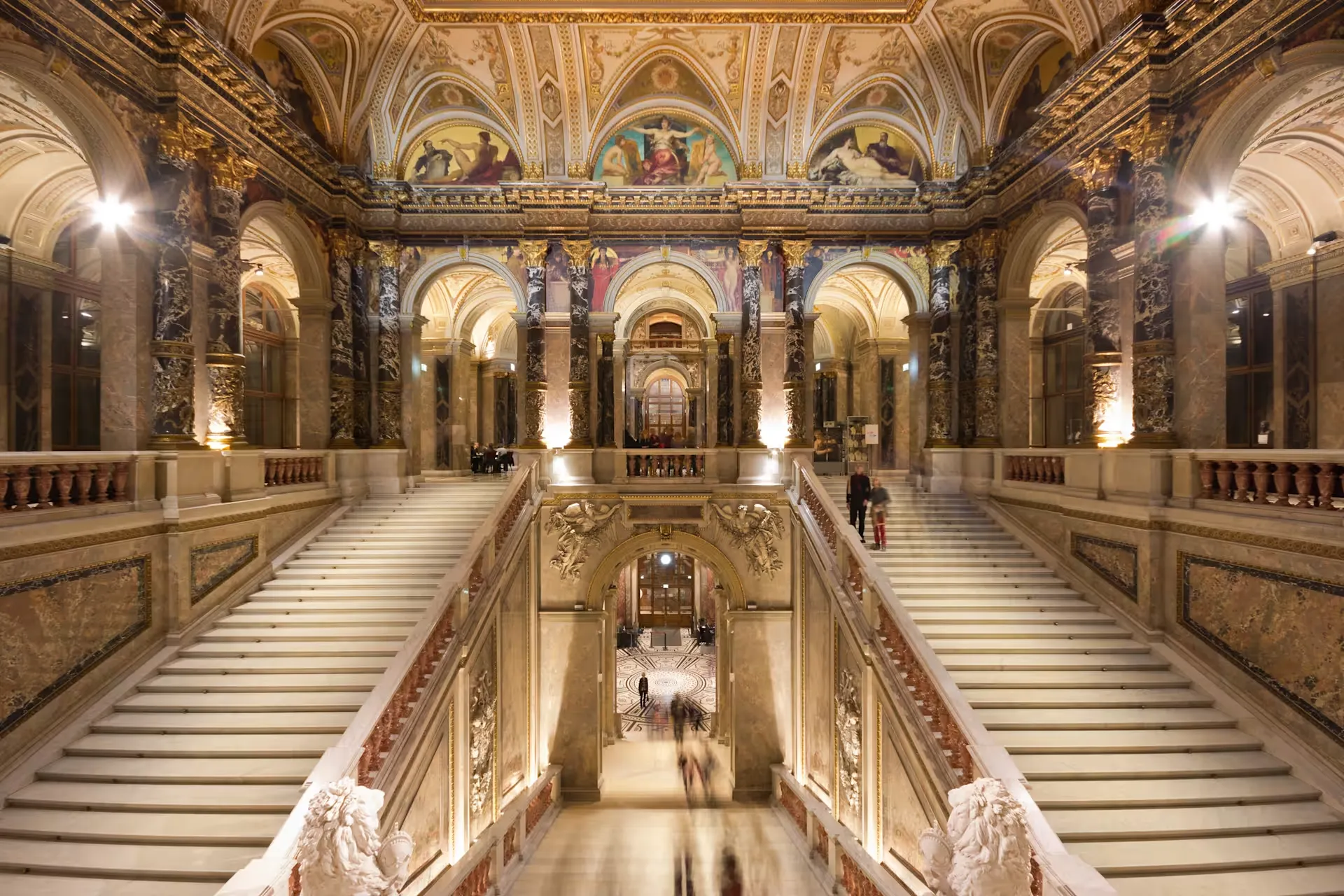
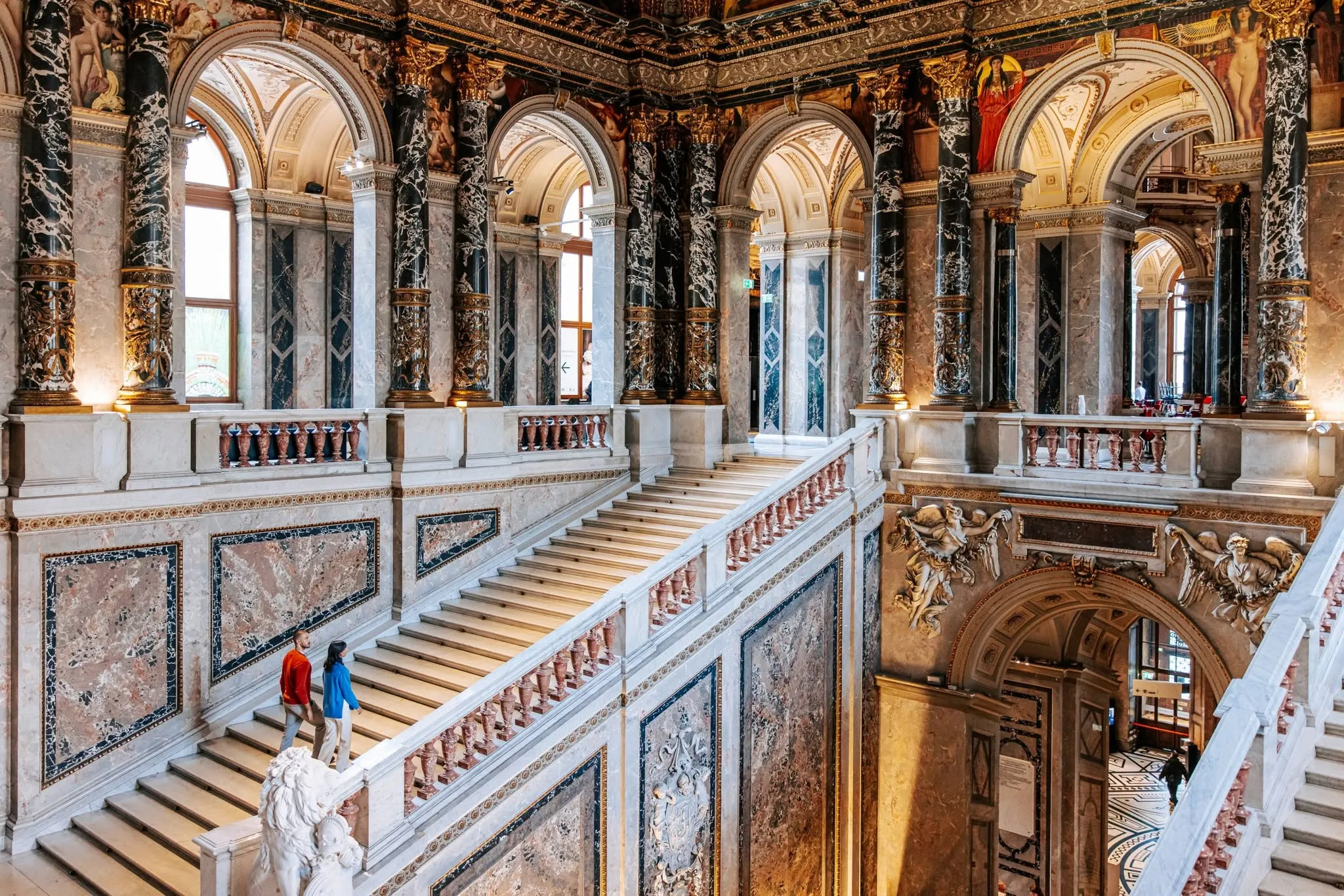
Inside, the architecture amplifies this ambition. Staircases unfold with theatrical confidence; decorative programs integrate allegory, mythology, and historical symbolism; and galleries are designed to support long visual encounters rather than quick glances. Visitors often describe a curious double impression: the museum feels both vast and intimate. Its halls can be majestic in scale, yet individual rooms invite close, patient looking. That balance is part of the museum’s enduring strength, turning architecture itself into a guide for how to experience art.
The Habsburg collections and dynastic identity
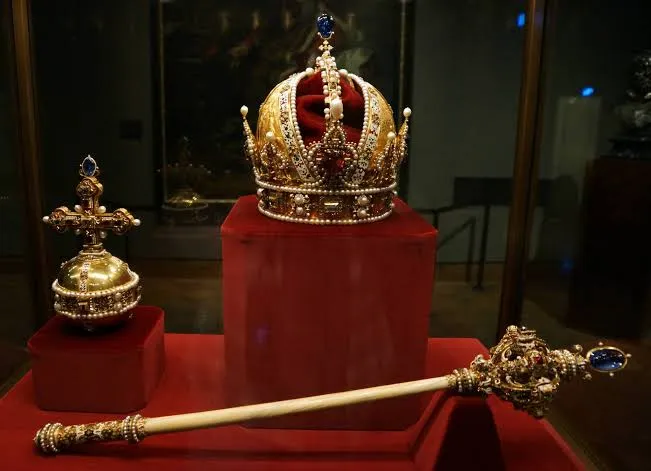
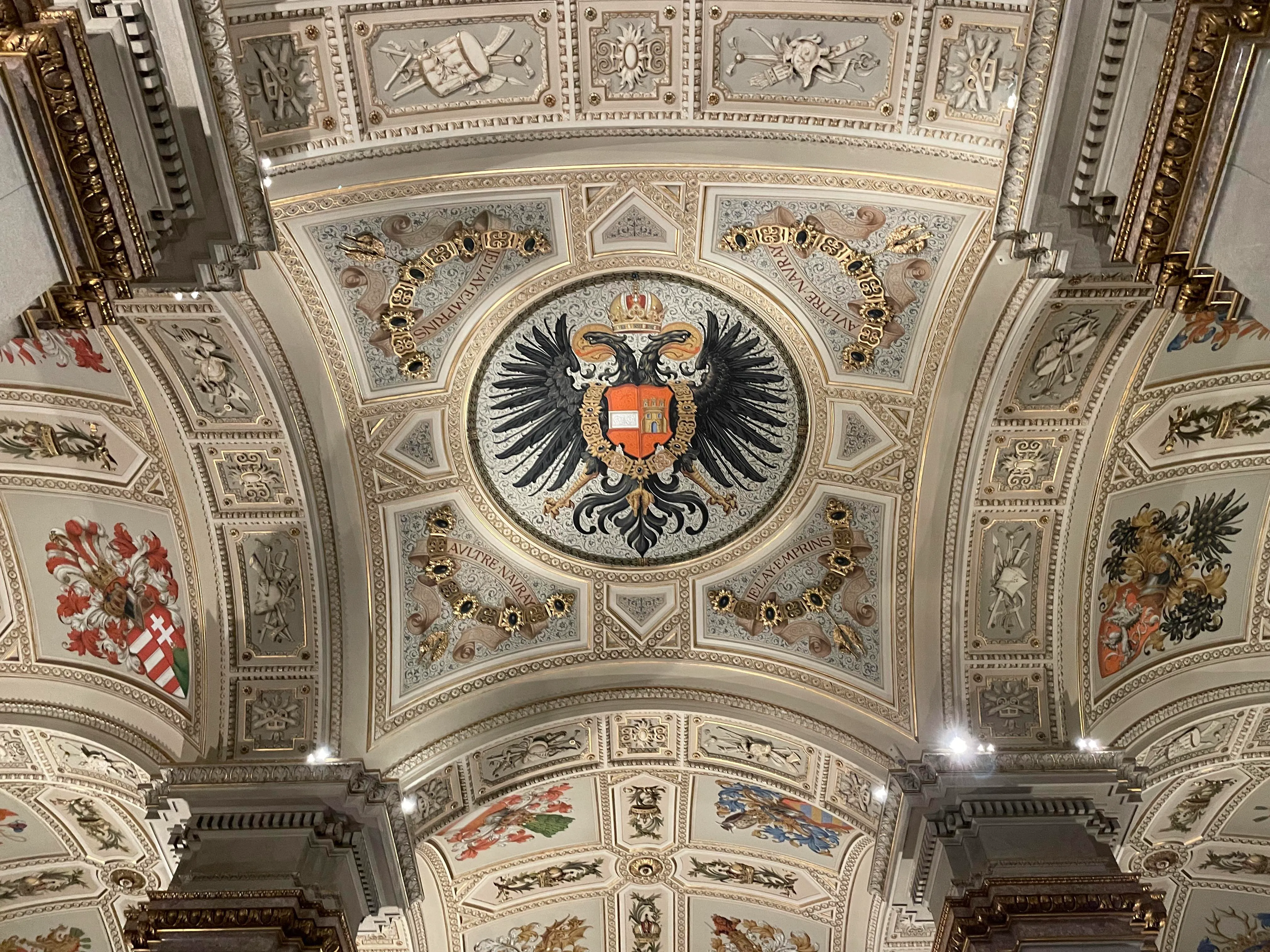
The Habsburg monarchy ruled across diverse territories, languages, and traditions, and its collections reflect that breadth. Paintings from Italian and Flemish schools, courtly silverwork, medals, sculptures, and rare artifacts formed an interconnected visual archive of empire. Collecting was never random; it mapped relationships, aspirations, and authority. To acquire particular artists or workshops was to align the dynasty with recognized centers of prestige and innovation.
Even today, when visitors move between galleries, they are effectively reading a dynastic self-portrait composed over generations. The museum does not present this story as propaganda, yet traces remain visible: choices about what to preserve, what to celebrate, and how to categorize cultural value. For modern audiences, this creates an important opportunity—not only to admire beauty, but also to ask who collected, why they collected, and how those decisions continue to shape what we call art history.
Old Masters and the rise of the Picture Gallery
The Picture Gallery is one of the museum’s greatest magnets, and for good reason. Here, the canon is both familiar and freshly impactful: Venetian color, Flemish drama, Spanish refinement, Dutch subtlety, and Germanic imagination coexist in a sequence of rooms that reward repeated viewing. What feels striking is not only the quality of individual paintings, but the curatorial rhythm—how one room prepares your eye for the next and how styles converse across schools, periods, and political geographies.
For many visitors, this gallery is where abstract art-historical names become immediate and human. Brushwork reveals hesitation and confidence; faces convey psychological tension; landscapes carry symbolic weather and moral atmosphere. Labels help, but often the strongest learning comes from looking slowly. Two or three paintings viewed with attention can illuminate an era more powerfully than dozens seen in haste.
Bruegel, Velázquez, Rubens and signature works
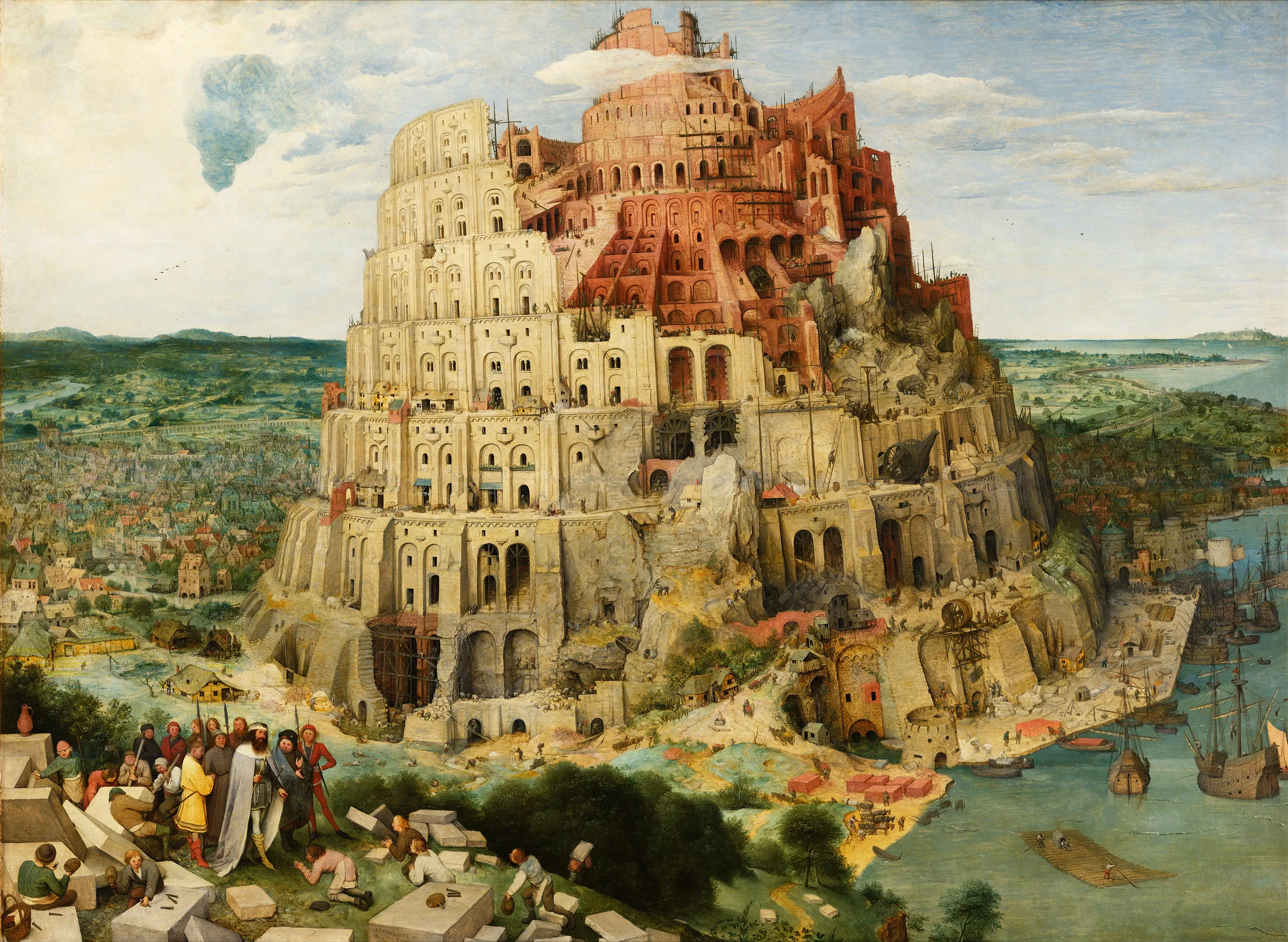
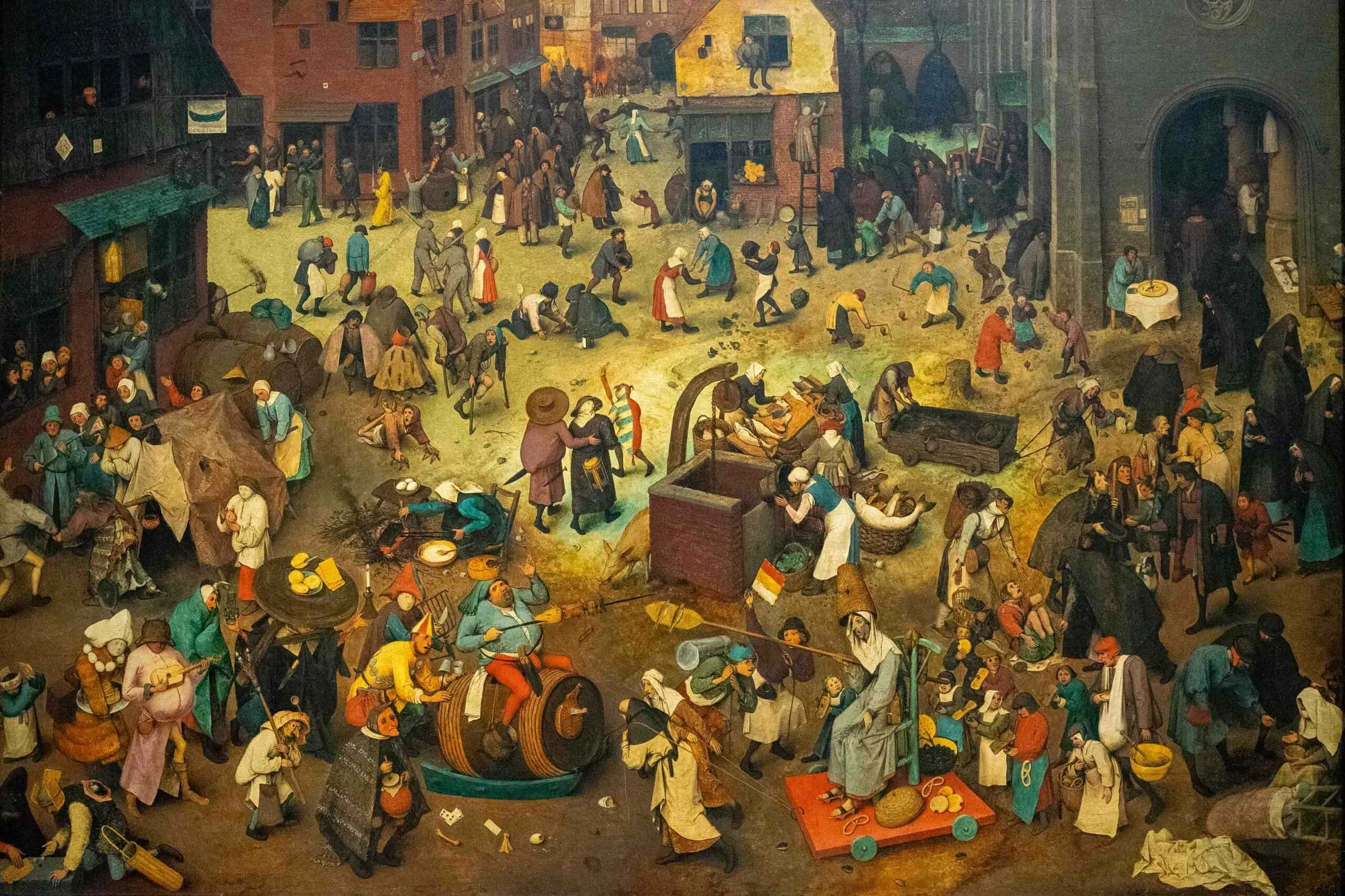
The Kunsthistorisches Museum is especially renowned for its Bruegel holdings, among the finest anywhere. His scenes are dense with narrative intelligence: peasants, seasons, labor, ritual, humor, and fragility all share the same pictorial stage. Viewers often return repeatedly, discovering new details each time—an entire social world compressed into one panel. Velázquez, by contrast, offers another mode of brilliance: restraint, luminosity, and an astonishing command of presence.
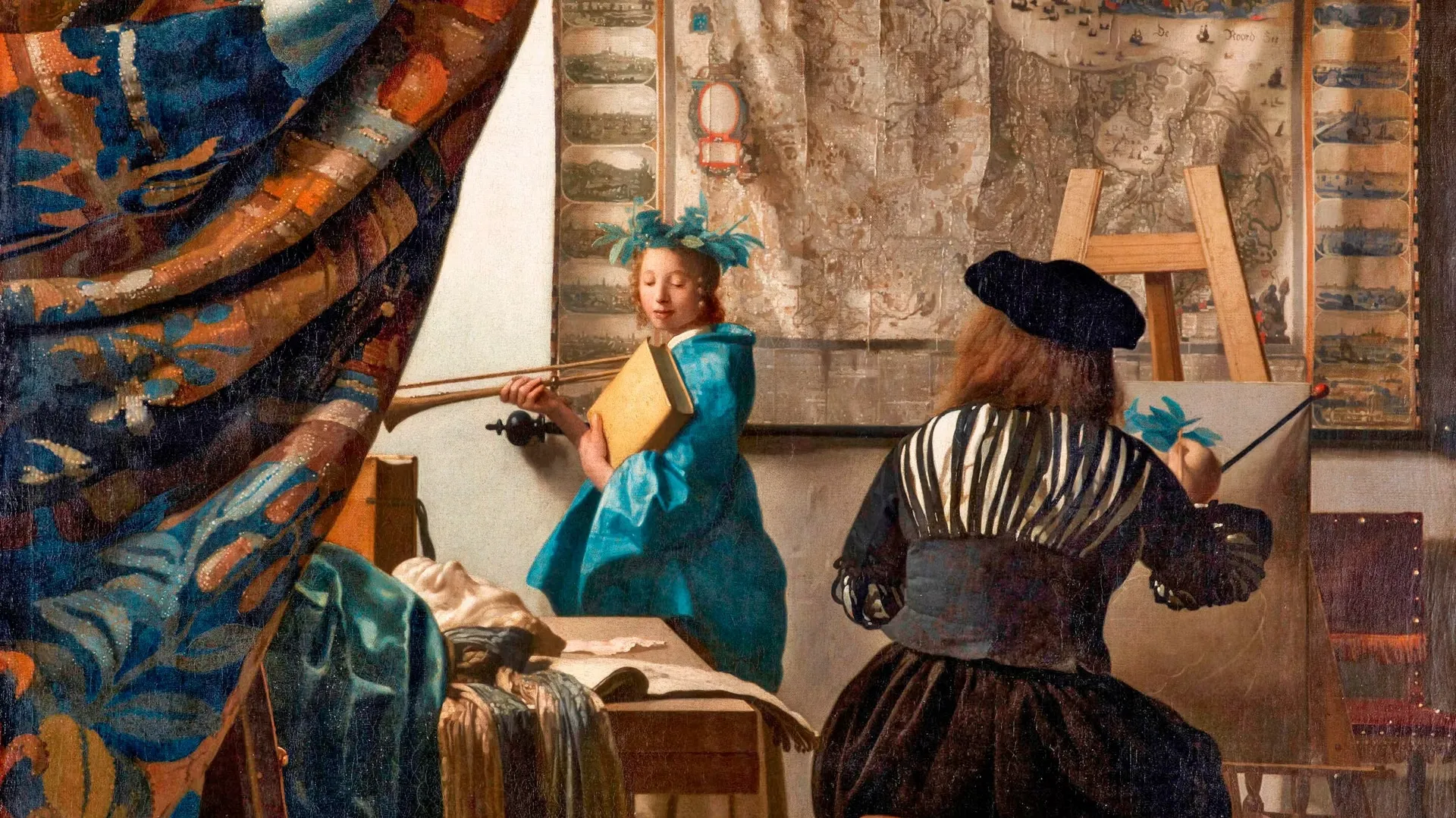
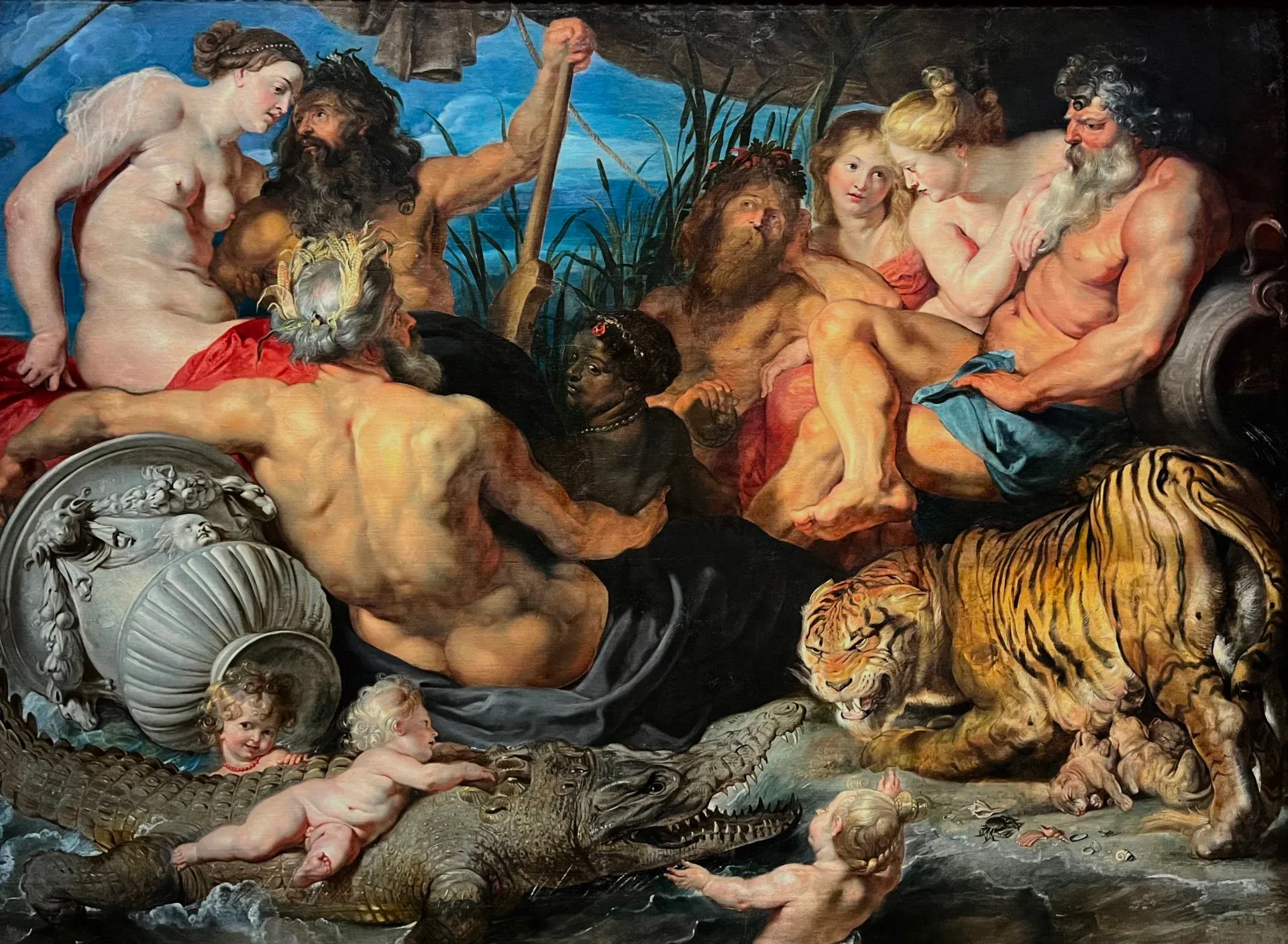
Rubens brings kinetic force and theatrical composition, while Vermeer and others demonstrate how quiet interior moments can be just as emotionally potent as grand historical subjects. One fascinating fact many first-time visitors enjoy: in rooms with globally famous works, attention often shifts unexpectedly to lesser-known paintings nearby, proving that context can elevate discovery. The museum’s layout encourages precisely this kind of serendipity.
The Kunstkammer: curiosity, science, and prestige
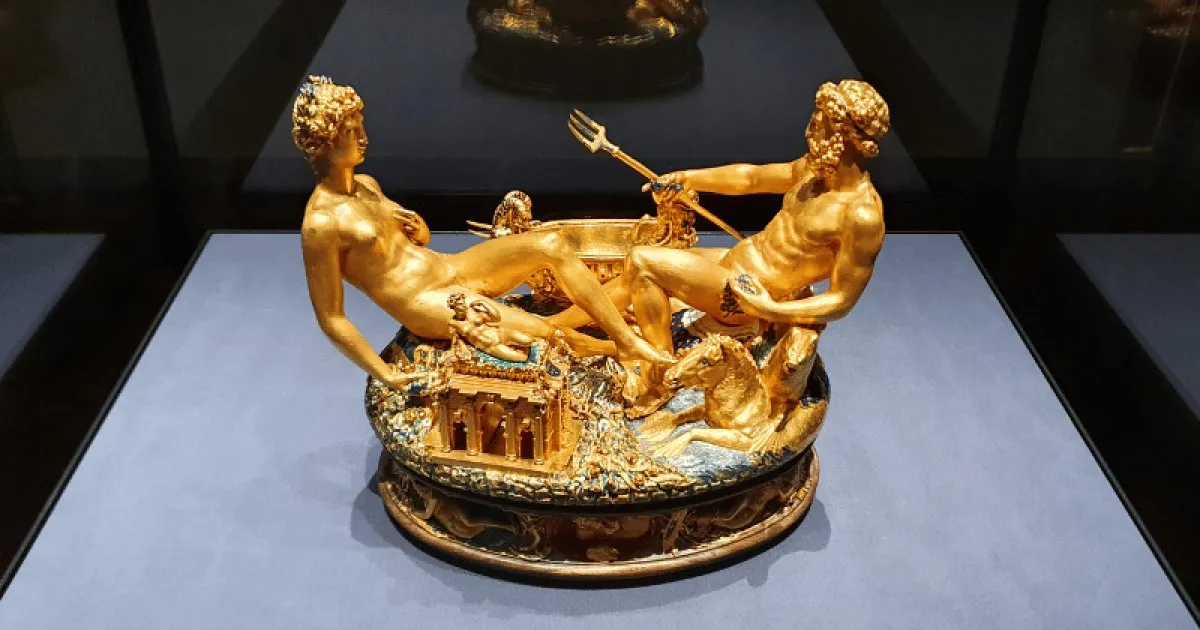
If the Picture Gallery tells the story of painting, the Kunstkammer tells the story of wonder. Cabinets of curiosities in early modern Europe gathered natural marvels, technical inventions, sacred objects, luxury craftsmanship, and oddities that challenged classification. They were places where art, science, belief, and status met without modern disciplinary boundaries. The Kunstkammer at KHM preserves this spirit while presenting it with contemporary museum clarity.
Here you may encounter objects so intricate that they seem almost impossible by hand: carved ivories with microscopic detail, automata-like mechanisms, vessel forms crafted in precious materials, and allegorical pieces designed to astonish courtly audiences. A useful way to read the room is to ask what each object once did socially. Was it displayed at diplomatic gatherings? Used in ritual? Commissioned as a message? Seen this way, the Kunstkammer becomes less a storage of luxury and more a map of early modern intellectual culture.
Ancient worlds: Egypt, Greece, Rome, and beyond
The museum’s ancient collections broaden the timeline dramatically, reminding visitors that Vienna’s cultural institutions have long connected local history to global antiquity. Egyptian and Near Eastern materials open windows into funerary practice, writing systems, and state symbolism. Greek and Roman holdings reveal how bodies, power, mythology, and civic life were imagined across centuries of artistic production.
These galleries are particularly rewarding for visitors who enjoy comparing media and civilizations. A single visit can move from a Renaissance portrait to a Roman bust to an Egyptian funerary object, revealing unexpected continuities: the politics of image-making, the performance of authority, and the human desire to preserve memory in durable form. In practical terms, this range also makes KHM ideal for mixed-interest groups, because each person can find a compelling entry point.
War, uncertainty, and safeguarding the collections
Like many European museums, the Kunsthistorisches Museum passed through periods of profound uncertainty in the twentieth century. Political upheaval, war, and shifting regimes placed collections and institutions under pressure, raising difficult questions of protection, displacement, provenance, and responsibility. Safeguarding artworks in such contexts required logistics, expertise, and often urgent decision-making under unstable conditions.
Today, these histories matter not as footnotes but as part of ethical museum practice. Provenance research, documentation, and transparent interpretation have become essential dimensions of stewardship. Visitors may not see this labor directly, yet it underpins the trust that makes public collections meaningful. The paintings and objects on display are not only beautiful survivors of time; they are also reminders of how fragile cultural inheritance can be, and how much care is required to preserve it.
Postwar renewal and modern museum practice
In the postwar era, the museum evolved from a primarily monumental repository into a more visitor-centered institution while retaining its historic identity. Display methods changed, conservation advanced, and interpretation expanded. Educational programming, family resources, and thematic exhibitions helped open the collections to broader publics with different learning styles and expectations.
This balancing act—respecting tradition while embracing contemporary standards—is one reason KHM feels both classical and current. You can still experience the aura of a nineteenth-century museum palace, yet also benefit from modern lighting strategies, improved accessibility, and research-informed interpretation. The result is not a frozen monument, but a living institution continually rethinking how to present inherited collections responsibly.
How to read the museum like a story
A practical strategy for first-time visitors is to build a narrative route rather than trying to see everything. Begin with architecture and orientation, continue to one major art section like the Picture Gallery, and then add one contrasting collection such as the Kunstkammer or ancient galleries. This approach creates thematic contrast and helps memory retention far better than rushing from room to room.
Another useful tip is to alternate macro and micro viewing. Spend a few minutes absorbing an entire room—its tone, palette, and arrangement—then zoom into one object for close analysis. Repeat this rhythm across the visit. You will leave with both a coherent overview and vivid details, which is exactly how a great museum day should feel: structured, surprising, and personally meaningful.
Fascinating facts hidden in plain sight
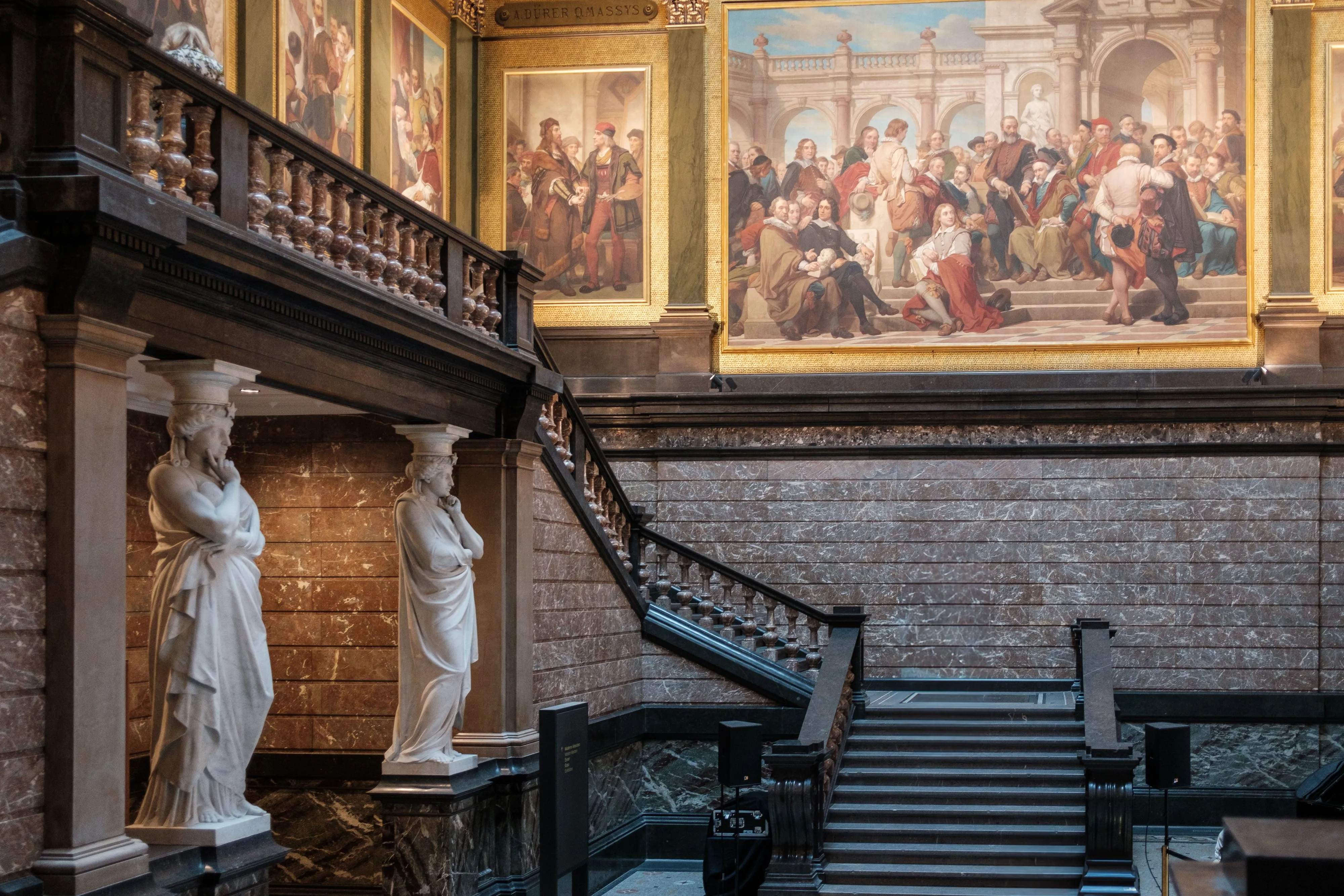
One of the most delightful aspects of KHM is how many memorable facts are embedded directly in the environment. The building itself is a teaching tool: allegorical decoration, symbolic figures, and carefully staged sightlines communicate nineteenth-century ideas about knowledge and civilization. In the galleries, visitors often discover unexpected favorites beyond the headline masterpieces—small devotional panels, technical studies, or objects whose craftsmanship becomes astonishing only at close range.
Another interesting insight concerns scale. Some works that seem familiar from books or online images appear dramatically different in person—larger, smaller, darker, brighter, more textured, or more emotionally complex than expected. This is one reason museum encounters remain irreplaceable in a digital era. KHM repeatedly rewards direct looking, patient attention, and the willingness to be surprised by what reproductions cannot fully capture.
KHM in Vienna’s wider cultural landscape
The Kunsthistorisches Museum sits within one of Europe’s most walkable cultural constellations. Around Maria-Theresien-Platz and the Ringstraße, visitors can combine major museums, historic sites, cafés, and performance venues into a single coherent itinerary. This proximity is more than convenient; it reveals how Vienna designed cultural experience at an urban scale, turning architecture, public space, and institutions into a continuous civic stage.
For travelers, this means your KHM visit can anchor a broader day without logistical friction. You might start with Old Masters, pause for lunch nearby, continue to neighboring collections, and end with an evening concert or opera. In this sense, the museum is not isolated—it is a central chapter in a larger Viennese story where art, history, and everyday city life remain tightly interwoven.
Why this museum still feels alive today
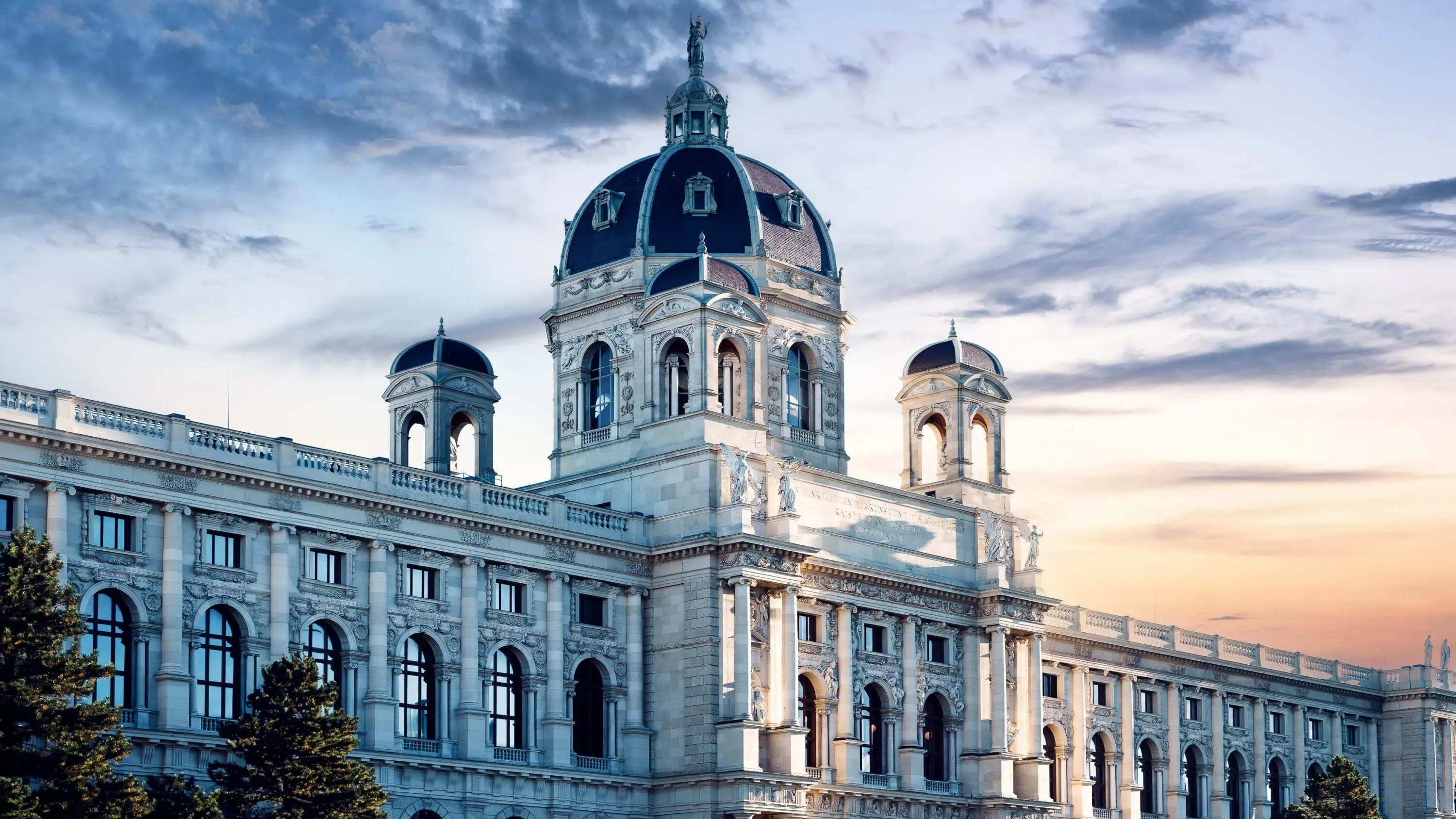
What makes the Kunsthistorisches Museum endure is not only the fame of its collections, but the quality of encounter it enables. The building asks you to slow down. The galleries reward concentration. The objects invite questions rather than offering simplistic answers. You leave not with one single narrative, but with overlapping stories about beauty, authority, memory, technique, and human imagination.
In a world of rapid images and constant distraction, that experience feels especially valuable. KHM offers depth without demanding specialist knowledge, and grandeur without becoming distant. Whether you come for one masterpiece or a full scholarly exploration, the museum meets you where you are—and gently encourages you to look longer, think wider, and carry the conversation beyond its walls.
Table of Contents
From imperial collecting to a public museum
Long before the Kunsthistorisches Museum opened its doors to the public, the objects that now define it were part of a dynastic ecosystem of collecting. Habsburg rulers and archdukes gathered paintings, antiquities, medals, gems, ceremonial artifacts, and scientific curiosities not merely as decoration, but as instruments of legitimacy and prestige. In early modern Europe, collections were statements: they projected taste, lineage, education, and international influence. A rare painting from Venice, a bronze from antiquity, or a carved object from distant workshops was never only an object—it was political language rendered in material form.
As centuries passed, these collections moved through residences, treasury spaces, and courtly repositories, expanding through inheritance, marriage alliances, diplomatic exchange, and strategic acquisition. By the nineteenth century, the logic of display began to change. The modern museum idea—publicly accessible, educational, and architecturally monumental—offered a new frame for imperial holdings. The Kunsthistorisches Museum emerged from that transition: a place where what was once guarded as dynastic capital could be encountered by scholars, travelers, and citizens. The shift did not erase its courtly origins; instead, it preserved them while reframing them for a broader public narrative.
The Ringstraße era and monumental architecture
To understand the museum, it helps to see it as part of Vienna’s nineteenth-century urban reinvention. The creation of the Ringstraße transformed former fortification zones into a ceremonial belt of cultural and civic institutions. In this context, the Kunsthistorisches Museum and its architectural counterpart, the Natural History Museum, were positioned as monumental twins facing each other across Maria-Theresien-Platz. Their dialogue in stone and proportion was intentional: together they announced Vienna’s ambition to stand among Europe’s foremost capitals of knowledge.
Inside, the architecture amplifies this ambition. Staircases unfold with theatrical confidence; decorative programs integrate allegory, mythology, and historical symbolism; and galleries are designed to support long visual encounters rather than quick glances. Visitors often describe a curious double impression: the museum feels both vast and intimate. Its halls can be majestic in scale, yet individual rooms invite close, patient looking. That balance is part of the museum’s enduring strength, turning architecture itself into a guide for how to experience art.
The Habsburg collections and dynastic identity
The Habsburg monarchy ruled across diverse territories, languages, and traditions, and its collections reflect that breadth. Paintings from Italian and Flemish schools, courtly silverwork, medals, sculptures, and rare artifacts formed an interconnected visual archive of empire. Collecting was never random; it mapped relationships, aspirations, and authority. To acquire particular artists or workshops was to align the dynasty with recognized centers of prestige and innovation.
Even today, when visitors move between galleries, they are effectively reading a dynastic self-portrait composed over generations. The museum does not present this story as propaganda, yet traces remain visible: choices about what to preserve, what to celebrate, and how to categorize cultural value. For modern audiences, this creates an important opportunity—not only to admire beauty, but also to ask who collected, why they collected, and how those decisions continue to shape what we call art history.
Old Masters and the rise of the Picture Gallery
The Picture Gallery is one of the museum’s greatest magnets, and for good reason. Here, the canon is both familiar and freshly impactful: Venetian color, Flemish drama, Spanish refinement, Dutch subtlety, and Germanic imagination coexist in a sequence of rooms that reward repeated viewing. What feels striking is not only the quality of individual paintings, but the curatorial rhythm—how one room prepares your eye for the next and how styles converse across schools, periods, and political geographies.
For many visitors, this gallery is where abstract art-historical names become immediate and human. Brushwork reveals hesitation and confidence; faces convey psychological tension; landscapes carry symbolic weather and moral atmosphere. Labels help, but often the strongest learning comes from looking slowly. Two or three paintings viewed with attention can illuminate an era more powerfully than dozens seen in haste.
Bruegel, Velázquez, Rubens and signature works
The Kunsthistorisches Museum is especially renowned for its Bruegel holdings, among the finest anywhere. His scenes are dense with narrative intelligence: peasants, seasons, labor, ritual, humor, and fragility all share the same pictorial stage. Viewers often return repeatedly, discovering new details each time—an entire social world compressed into one panel. Velázquez, by contrast, offers another mode of brilliance: restraint, luminosity, and an astonishing command of presence.
Rubens brings kinetic force and theatrical composition, while Vermeer and others demonstrate how quiet interior moments can be just as emotionally potent as grand historical subjects. One fascinating fact many first-time visitors enjoy: in rooms with globally famous works, attention often shifts unexpectedly to lesser-known paintings nearby, proving that context can elevate discovery. The museum’s layout encourages precisely this kind of serendipity.
The Kunstkammer: curiosity, science, and prestige
If the Picture Gallery tells the story of painting, the Kunstkammer tells the story of wonder. Cabinets of curiosities in early modern Europe gathered natural marvels, technical inventions, sacred objects, luxury craftsmanship, and oddities that challenged classification. They were places where art, science, belief, and status met without modern disciplinary boundaries. The Kunstkammer at KHM preserves this spirit while presenting it with contemporary museum clarity.
Here you may encounter objects so intricate that they seem almost impossible by hand: carved ivories with microscopic detail, automata-like mechanisms, vessel forms crafted in precious materials, and allegorical pieces designed to astonish courtly audiences. A useful way to read the room is to ask what each object once did socially. Was it displayed at diplomatic gatherings? Used in ritual? Commissioned as a message? Seen this way, the Kunstkammer becomes less a storage of luxury and more a map of early modern intellectual culture.
Ancient worlds: Egypt, Greece, Rome, and beyond
The museum’s ancient collections broaden the timeline dramatically, reminding visitors that Vienna’s cultural institutions have long connected local history to global antiquity. Egyptian and Near Eastern materials open windows into funerary practice, writing systems, and state symbolism. Greek and Roman holdings reveal how bodies, power, mythology, and civic life were imagined across centuries of artistic production.
These galleries are particularly rewarding for visitors who enjoy comparing media and civilizations. A single visit can move from a Renaissance portrait to a Roman bust to an Egyptian funerary object, revealing unexpected continuities: the politics of image-making, the performance of authority, and the human desire to preserve memory in durable form. In practical terms, this range also makes KHM ideal for mixed-interest groups, because each person can find a compelling entry point.
War, uncertainty, and safeguarding the collections
Like many European museums, the Kunsthistorisches Museum passed through periods of profound uncertainty in the twentieth century. Political upheaval, war, and shifting regimes placed collections and institutions under pressure, raising difficult questions of protection, displacement, provenance, and responsibility. Safeguarding artworks in such contexts required logistics, expertise, and often urgent decision-making under unstable conditions.
Today, these histories matter not as footnotes but as part of ethical museum practice. Provenance research, documentation, and transparent interpretation have become essential dimensions of stewardship. Visitors may not see this labor directly, yet it underpins the trust that makes public collections meaningful. The paintings and objects on display are not only beautiful survivors of time; they are also reminders of how fragile cultural inheritance can be, and how much care is required to preserve it.
Postwar renewal and modern museum practice
In the postwar era, the museum evolved from a primarily monumental repository into a more visitor-centered institution while retaining its historic identity. Display methods changed, conservation advanced, and interpretation expanded. Educational programming, family resources, and thematic exhibitions helped open the collections to broader publics with different learning styles and expectations.
This balancing act—respecting tradition while embracing contemporary standards—is one reason KHM feels both classical and current. You can still experience the aura of a nineteenth-century museum palace, yet also benefit from modern lighting strategies, improved accessibility, and research-informed interpretation. The result is not a frozen monument, but a living institution continually rethinking how to present inherited collections responsibly.
How to read the museum like a story
A practical strategy for first-time visitors is to build a narrative route rather than trying to see everything. Begin with architecture and orientation, continue to one major art section like the Picture Gallery, and then add one contrasting collection such as the Kunstkammer or ancient galleries. This approach creates thematic contrast and helps memory retention far better than rushing from room to room.
Another useful tip is to alternate macro and micro viewing. Spend a few minutes absorbing an entire room—its tone, palette, and arrangement—then zoom into one object for close analysis. Repeat this rhythm across the visit. You will leave with both a coherent overview and vivid details, which is exactly how a great museum day should feel: structured, surprising, and personally meaningful.
Fascinating facts hidden in plain sight
One of the most delightful aspects of KHM is how many memorable facts are embedded directly in the environment. The building itself is a teaching tool: allegorical decoration, symbolic figures, and carefully staged sightlines communicate nineteenth-century ideas about knowledge and civilization. In the galleries, visitors often discover unexpected favorites beyond the headline masterpieces—small devotional panels, technical studies, or objects whose craftsmanship becomes astonishing only at close range.
Another interesting insight concerns scale. Some works that seem familiar from books or online images appear dramatically different in person—larger, smaller, darker, brighter, more textured, or more emotionally complex than expected. This is one reason museum encounters remain irreplaceable in a digital era. KHM repeatedly rewards direct looking, patient attention, and the willingness to be surprised by what reproductions cannot fully capture.
KHM in Vienna’s wider cultural landscape
The Kunsthistorisches Museum sits within one of Europe’s most walkable cultural constellations. Around Maria-Theresien-Platz and the Ringstraße, visitors can combine major museums, historic sites, cafés, and performance venues into a single coherent itinerary. This proximity is more than convenient; it reveals how Vienna designed cultural experience at an urban scale, turning architecture, public space, and institutions into a continuous civic stage.
For travelers, this means your KHM visit can anchor a broader day without logistical friction. You might start with Old Masters, pause for lunch nearby, continue to neighboring collections, and end with an evening concert or opera. In this sense, the museum is not isolated—it is a central chapter in a larger Viennese story where art, history, and everyday city life remain tightly interwoven.
Why this museum still feels alive today
What makes the Kunsthistorisches Museum endure is not only the fame of its collections, but the quality of encounter it enables. The building asks you to slow down. The galleries reward concentration. The objects invite questions rather than offering simplistic answers. You leave not with one single narrative, but with overlapping stories about beauty, authority, memory, technique, and human imagination.
In a world of rapid images and constant distraction, that experience feels especially valuable. KHM offers depth without demanding specialist knowledge, and grandeur without becoming distant. Whether you come for one masterpiece or a full scholarly exploration, the museum meets you where you are—and gently encourages you to look longer, think wider, and carry the conversation beyond its walls.